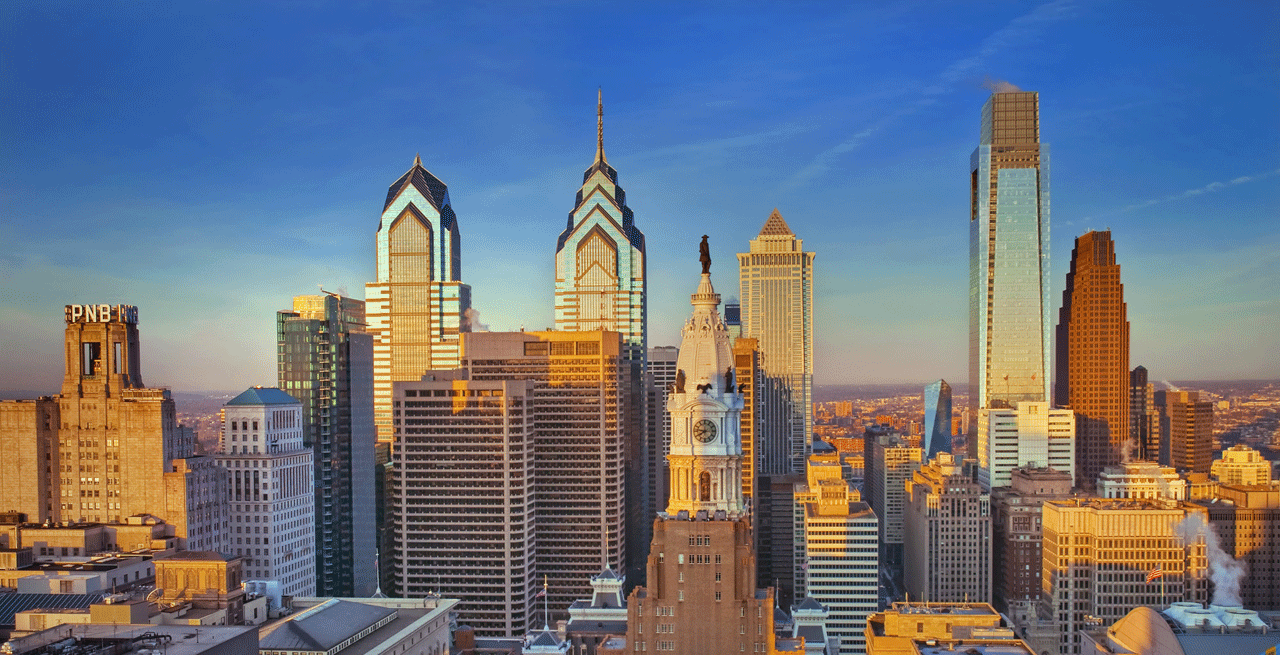
Philadelphia, PA - Many have attempted, and few have perfected, the local pronunciations of key Philly terms. For example, Schuylkill, as in the river or the I-76 expressway, is skool-kill. Passyunk, the South Philadelphia avenue and neighborhood, is pash-shunk, and Water is pronounced wooder. Below are just a few tips for understanding the Philadelphia language.
Philadelphia Dictionary
The Ultimate Guide to Philadelphia Slang: How to Speak Like a Local
Whether you are visiting for the first time or recently relocated, navigating the City of Brotherly Love requires learning an entirely new vocabulary. To help our readers across the region, the editorial teams at PhillyBite Magazine and WherePhilly have compiled the essential local glossary.
From ordering the perfect sandwich to giving directions, here is your definitive guide to speaking Philadelphian.
The Core Dictionary
- Center City (sen-ter sit-ee): Philadelphia's downtown. You will rarely hear a local say they are "going downtown"—they are always heading to Center City.
- The El (thuh el): Short for "the elevated rail," this is the local name for the Market-Frankford Line, which runs east-west across the city. (Note: The Broad Street Line, which runs north-south, is usually just called "the subway.")
- Gravy (grey-vee): In South Philadelphia, this does not go on turkey. It is the slow-cooked, meat-infused red Italian tomato sauce that your grandmom makes for Sunday dinner.
- Hoagie (hoh-gee): Do not call it a sub, a hero, or a grinder. A proper hoagie is built on a fresh Amoroso roll and packed with meats, cheeses, and toppings.
- Jawn (jawn): The ultimate, multi-purpose Philadelphia noun. It can describe a person, place, thing, or event. ("Wave that jawn when the parade goes by," or "Did you see that new jawn on Passyunk?")
- The Linc (thuh lingk): Lincoln Financial Field. Come autumn, the chants of "E-A-G-L-E-S, Eagles!" echo from The Linc across South Philly.
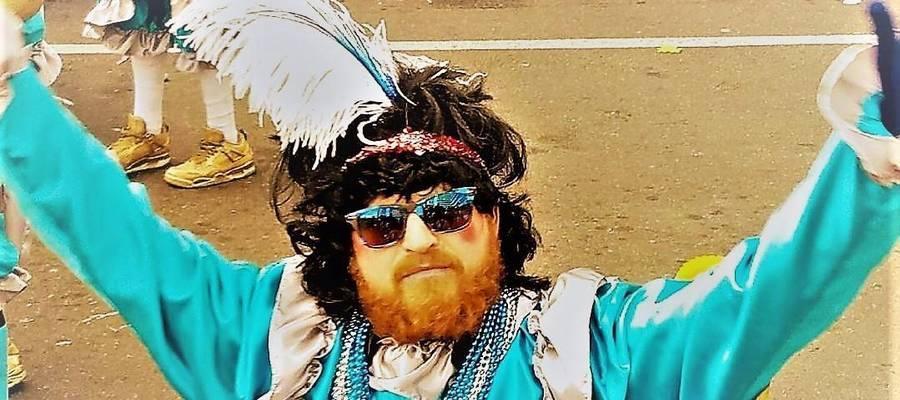
- Mummers (muhm-ers): The elaborately costumed musicians, string bands, and revelers who famously strut up Broad Street every New Year's Day.
- Wawa (wah-wah): It is not just a convenience store; it is a regional way of life. Whether you need a morning coffee or a late-night Shorti hoagie, Wawa is a daily stop for most locals.
- Whiz Wit (wiz-wit): The most efficient, proper way to order a cheesesteak with Cheez Whiz and fried onions. It is a phrase you will hear endlessly if you follow the 7th annual PhillyBite Cheesesteak Madness tournament.
The Accent and Pronunciation Guide
Knowing the words is only half the battle. To truly sound like a local, you have to master the distinct Philadelphia accent—a dialect heavily rooted in unique vowel shifts and blurred consonants.
- Wooder (wood-er): The liquid form of H2O. When the humidity breaks in July, locals cool down with a cup of Rita's wooder ice (wood-er ahys).
- Jeet?: A highly efficient contraction of "Did you eat?" In Philly, this is the ultimate sign of affection and hospitality.
- Schuylkill (skool-kil): The river that borders Center City to the west, and the notoriously congested I-76 expressway.
- Passyunk (pash-shrunk): The famous South Philadelphia avenue and neighborhood, home to incredible dining and boutique shopping.
- Shtreet: Words starting with "str-" get a distinct "sht-" treatment in Philly. You don't walk down the street; you walk down the shtreet.
- Are & Are-ange: The pronoun "our" sounds like "are." The same phonetic shift applies to "orange" (pronounced are-ange).
- Beg-el: How locals pronounce "bagel." (Though let's be honest, we prefer soft pretzels anyway).
- Yo (yoh): The standard interjection used to get someone's attention. "Yo! Do you know who's on top of City Hall?"