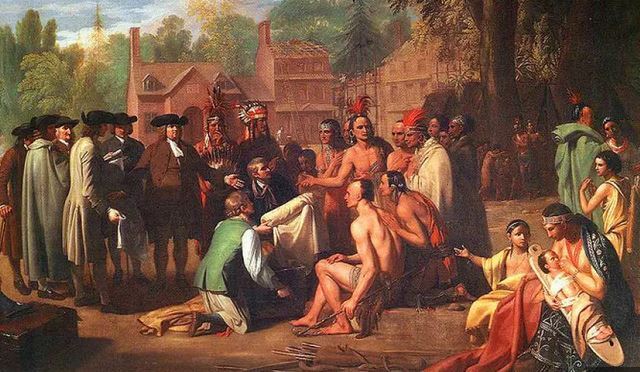
WEST VIRGINIA - The mountainous region now defined as West Virginia was historically a land of intense transit, resource exploitation, and cultural borders between several powerful Indigenous Nations. While no large, permanent settlements existed within the territory during the height of European colonization, the area was continuously inhabited and used by numerous groups for thousands of years, primarily as a vast hunting ground, resource area, and corridor for warfare.
The history of West Virginia's Indigenous peoples is one of overlapping claims and seasonal usage by nations based primarily in present-day Ohio, Virginia, and the Carolinas.
Overlapping Claims: Who Used the Land?
Unlike many neighboring states, West Virginia did not have a dominant, centralized chiefdom. Instead, its territory was disputed and shared by nations belonging to the three prominent language families of the Eastern Woodlands:
1. Algonquian-Speaking Tribes
- Shawnee: This Algonquian nation, whose main settlements were concentrated in the Ohio Valley (present-day Ohio), used the entire western half of West Virginia, particularly the Kanawha and Ohio River valleys, as a crucial hunting ground. The Shawnee were the most active resisters to American settlement in the region during the 18th century, participating in major conflicts like the Battle of Point Pleasant.
- Delaware (Lenape): Having been displaced from their ancestral lands in the Mid-Atlantic, many bands used the northern panhandle and tributaries of the Ohio River as hunting territory before their forced removal further west.
2. Iroquoian-Speaking Tribes
- Seneca (of the Haudenosaunee Confederacy): The powerful Iroquois Confederacy, specifically the Seneca Nation, claimed the northern and eastern regions of the state (often called the "Eastern Panhandle"). They used the mountains as a strategic hunting and transit route to the south.
- Cherokee: This Iroquoian-speaking nation, based in the Southern Appalachian Mountains (present-day North Carolina, Tennessee, and Georgia), claimed the southernmost portions of West Virginia as their northern hunting territory.
3. Siouan-Speaking Tribes
-
Monacan: Siouan-speaking tribes whose core territory was in the Piedmont region of Virginia occasionally used the eastern mountain valleys of West Virginia for hunting and resource-gathering.
Cultural Usage and Lifestyle
Because West Virginia was considered a rich but dangerous borderland, Indigenous life there was primarily focused on seasonal resource extraction rather than large, permanent villages typical in the coastal areas.
- Hunting Expeditions: The primary activity was extensive, communal hunting for deer, bear, and especially elk, which were abundant in the mountain valleys. These hunts often lasted for weeks or months.
- Salt Trading: The Kanawha Valley (near modern Charleston) was a crucial site due to its natural salt licks. Salt was a vital commodity for curing meats and trade, attracting tribes from great distances.
- Transportation Routes: The mountain gaps and river valleys—such as the New River Gorge and the valleys of the Greenbrier, Monongahela, and Kanawha Rivers—served as essential transportation corridors connecting the Ohio Valley to the Southeast and the mid-Atlantic coast.
The Era of Conflict and Removal
During the 18th century, West Virginia became the most dangerous frontier in North America due to intense competition for land and resources, often known as the French and Indian War and subsequent conflicts, such as Dunmore's War (1774).
- Point Pleasant (1774): This major battle, fought between the Shawnee (led by Chief Cornstalk) and Virginia militia, took place at the confluence of the Kanawha and Ohio Rivers. It is often cited as a key event leading to the American Revolution and severely curtailed Indigenous control over the region.
- Forced Removal: Following the American Revolution and a series of treaties, virtually all Indigenous claims to West Virginia lands were extinguished by the early 1800s, leading to the forced removal of the Shawnee, Delaware, and others further west.
 Today, while there are no federally or state-recognized tribal reservations within the state, West Virginia is home to a modern Indigenous population composed of descendants of these ancestral nations and individuals from tribes across the country.