MICHIGAN - As April 2026 brings the first true "thaw" to the Great Lakes State, Michigan's landscape is waking up. The Michigan Department of Agriculture and Rural Development (MDARD) and the DNR have issued several spring briefings regarding invasive species on the "Watch List" and native threats emerging from winter dormancy.
From the shores of Lake Michigan to the dense forests of the Upper Peninsula, here is what is on the move this month.
1. Spotted Lanternfly: The "Nymph" Phase Begins
While Pennsylvania and Ohio have dealt with this pest for years, Michigan is now in a critical phase of containment. As of April 14, 2026, MDARD has issued a fresh call for residents to inspect their properties before the spring "hatch."
- The Threat: These insects threaten Michigan's world-class fruit belt, specifically grapes, hops, and apples. They excrete a sticky waste that supports black mold growth, killing the plants they feed on.
- What to Look For Now: You won't see adults yet. Look for egg masses—they look like small patches of dried, cracked gray mud on smooth surfaces like siding, trailers, and trees. By the end of April, tiny black nymphs with white spots will begin to emerge.
- Action Plan: If you see egg masses, scrape them into a bag with hand sanitizer. If you see the hatched nymphs, report them immediately to the Michigan Invasive Species website.
2. Hemlock Woolly Adelgid (HWA)
April is the "last call" to identify and treat Hemlock trees. This invasive, aphid-like insect has been slowly moving up the Lake Michigan coastline.
- The Danger: HWA sucks the sap from Eastern Hemlock trees, killing them within a few years. These trees are vital for providing the deep shade required by Michigan's trout streams.
- Detection: Check the underside of hemlock branches for what looks like tiny white cotton balls (this is the protective "wool" they secrete).
- Treatment: MDARD recommends spring soil drenching for infested trees. If you spot them in a new county, the state wants to know.
3. Tick Surge: The "Mild Winter" Effect
Following the trend across the Midwest, Michigan's 2025-2026 winter was uncharacteristically mild. This has led to an early and aggressive start to the tick season.
- The Primary Culprit: The Black-legged (Deer) Tick is now active across both peninsulas. With the spring turkey season underway, hunters and hikers are at high risk for Lyme Disease.
- The "Freckle" Test: In April, nymphal ticks are active. They are about the size of a poppy seed. If you see a "new freckle" after a walk in the woods, look closer—it might be a nymph.
- Prevention: Use EPA-registered repellents and perform a "tick check" on your pets before they climb onto your furniture.
4. Venomous Neighbors: The Eastern Massasauga
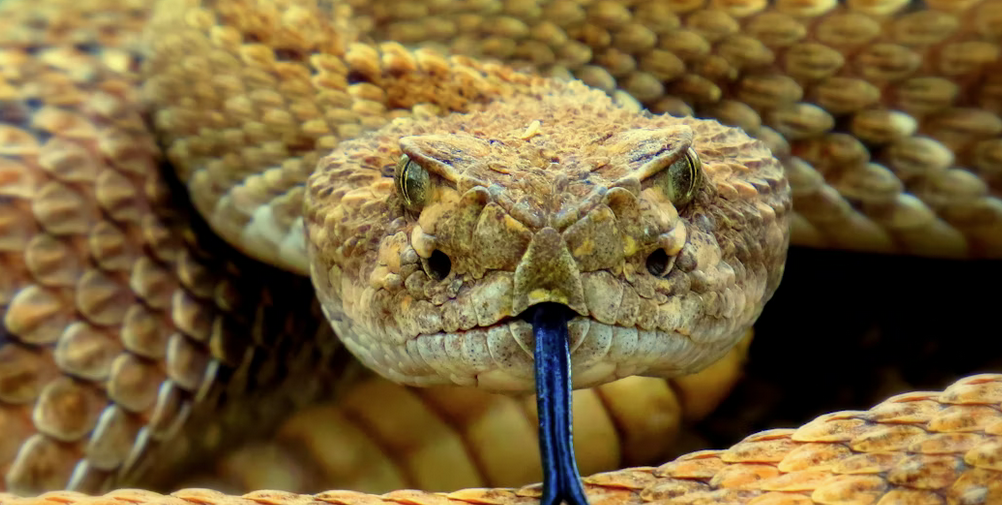
Michigan is home to only one venomous snake: the Eastern Massasauga Rattlesnake. As temperatures hit 60°F this April, they are emerging from their winter "crayfish burrows" to find the sun.
- Appearance: They are thick-bodied, brownish snakes with dark, butterfly-shaped blotches. They are relatively small, usually under 30 inches.
- Hiding Spots: They prefer wetlands and marshes but will move to drier upland areas in late April.
- Safety Fact: They are famously shy and "docile" compared to other rattlesnakes. Most bites occur when someone tries to handle or kill the snake. If you see one, give it distance; it is a protected species in Michigan.
5. Toxic Toads and Invasive Wasps
As you start your garden prep, please be aware of these smaller but potent threats.
Eastern American Toads. These are popping up in gardens across the state right now. While they look harmless, they possess parotid glands behind their heads that secrete a toxin (Bufotoxin).
-
The Risk: This toxin is primarily dangerous if ingested. Keep curious dogs away from them, as "mouthing" a toad can lead to foaming at the mouth, seizures, or heart issues for a pet.
European Paper Wasps. This invasive species is the most common wasp in Michigan. They are currently waking up and looking for eaves and porches to build nests.
-
The Danger: Their venom is highly painful and breaks down cell membranes. They are more aggressive than native wasps; check your porch umbrellas and play sets before the kids head outside.
Summary Checklist for Michigan Residents
- Don't Move Firewood: This is the quickest way to spread the Emerald Ash Borer and the Spongy Moth into protected state forests.
- Inspect Boats: With fishing season starting, ensure your boat is "Clean, Drain, Dry" to prevent the spread of New Zealand Mud Snails and Zebra Mussels.
- Check Your Hemlocks: Look for the "white wool" on your trees before the summer heat arrives.
- Tuck Your Pants: If you're hiking the North Country Trail or local parks, tuck your pants into your socks to prevent ticks from reaching your skin.
Share This Article on Social Media