WEST VIRGINIA - As April 2026 settles into the Mountain State, the rising humidity and blooming redbuds are bringing more than just scenery. The West Virginia Department of Agriculture (WVDA) has issued several alerts this spring regarding invasive species that have officially established a foothold, alongside the seasonal return of native mountain hazards.
From the Eastern Panhandle to the Ohio River Valley, here is what you need to keep an eye on this month.
1. Spotted Lanternfly: The "Bug Busters" Alert
As of April 2026, the WVDA is heavily monitoring the hatching of Spotted Lanternfly (SLF) egg masses. While this pest was once confined to the Eastern Panhandle, detections have now been confirmed in multiple counties along major rail and river corridors.
- The Threat: These insects are sap-suckers that weaken native hardwood trees and devastate vineyards. They excrete "honeydew," which leads to black sooty mold that can kill your backyard garden plants.
- What to Look For Now: You won't see the flying adults yet. In April, look for egg masses that look like patches of dried, cracked gray mud on tree trunks, fence posts, and even brick walls. By late April, tiny black nymphs with white spots will begin to hatch.
- Action Plan: The WVDA "Bug Busters" program asks residents to take a photo, report the sighting to This email address is being protected from spambots. You need JavaScript enabled to view it., and then scrape the eggs into a container of rubbing alcohol to kill them.
2. Box Tree Moth: A New Resident
Maryland's recent statewide quarantine (issued March 6, 2026) has put West Virginia on high alert. The Box Tree Moth has now officially established populations in parts of West Virginia, threatening the state's ornamental nursery industry.
- The Danger: This moth can defoliate a boxwood shrub in a matter of days. Once the leaves are gone, the caterpillars eat the bark, killing the plant entirely.
- Detection: Look for heavy webbing inside your boxwood shrubs and bright green caterpillars with black stripes. If you see them, avoid moving any plant clippings off your property to prevent further spread.
3. Tick Season in the Appalachian Woods
West Virginia's rugged terrain is prime habitat for ticks, and 2026 is shaping up to be a high-activity year. With many residents heading out for spring turkey season or hiking, the risk is at its peak.
- The Primary Threat: The Black-legged (Deer) Tick is widespread, but the Lone Star Tick is rapidly moving into West Virginia's southern counties.
- The "Poppy Seed" Warning: In April, ticks are often in the nymph stage. They are as small as a poppy seed and can easily be mistaken for a freckle, but they can still transmit Lyme Disease and Alpha-gal syndrome.
- Prevention: Treat outdoor gear with permethrin and always perform a "tick check" immediately after coming indoors.
4. Venomous Snakes: Mountain Hiders
As temperatures remain consistently above 60°F, West Virginia's two venomous snake species are active and on the move.
The Northern Copperhead is found throughout the state. Copperheads love the rocky hillsides and leaf-littered forest floors of West Virginia. Their "Hershey Kiss" camouflage makes them nearly invisible against dead leaves. They are common around woodpiles and stone walls near homes.
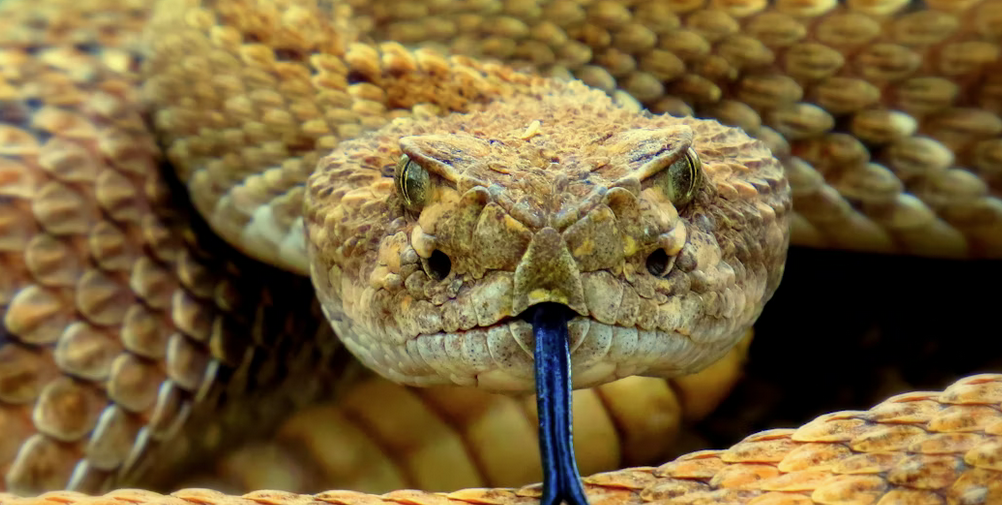
The Timber Rattlesnake, West Virginia's state reptile, is emerging from rocky "dens" this month. While they generally avoid humans, they may sun themselves on hiking trails in the Monongahela National Forest.
-
Safety Tip: If you hear the rattle, please stop right away. Please don't try to locate it by moving closer; back away slowly the way you came.
5. Hemlock Woolly Adelgid
April is a critical time for West Virginia's iconic Hemlock trees. The Hemlock Woolly Adelgid, a tiny aphid-like insect, is currently in its most active feeding stage.
- The Sign: Look for what looks like tiny tufts of white cotton or "wool" at the base of Hemlock needles.
- The Impact: Without treatment, these pests can kill a mature Hemlock in 4 to 10 years, drastically altering the cooling shade of West Virginia's trout streams.
- Action: If you have Hemlocks on your property, April is the time to consult with an arborist about soil drench treatments to protect them for the coming year.
Summary Checklist for West Virginia Residents
- Check the "Tree of Heaven": This invasive tree is the favorite host of the Spotted Lanternfly. Identifying and removing it now can save your other trees later.
- Scrape the Mud: If you see "mud smears" on your car or outdoor furniture, scrape them off—they are likely Lanternfly eggs.
- Brush Up on Camouflage: Familiarize yourself with the hourglass pattern of the Copperhead before doing yard work.
- Buy Local Wood: Never move firewood across county lines. This is the fastest way to spread the Emerald Ash Borer and Spongy Moth into uninfested forests.
Share This Article on Social Media