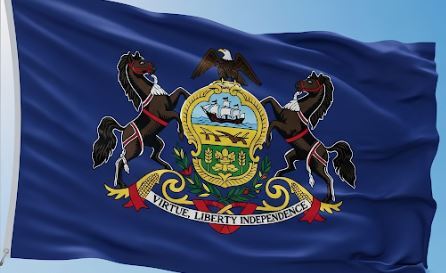
Pennsylvania's two anchor cities sit on opposite sides of the state, separated by 300 miles and with completely distinct cultural vibes. To the east lies Philadelphia, a bustling, historic East Coast metropolis steeped in colonial origins. To the west sits Pittsburgh, a resilient, visually striking city defined by its dramatic hills, industrial legacy, and converging rivers.
If you are trying to choose between them, this guide breaks down everything you need to know through ten essential questions.
Q1: Which city has better historical attractions?
Philadelphia wins by a landslide. As the original cradle of American democracy, Philly is a paradise for history buffs. You can stand in Independence Hall, where the Declaration of Independence and the U.S. Constitution were debated and signed, and see the iconic Liberty Bell.
While Pittsburgh has a fascinating industrial history, beautifully showcased at the Heinz History Center and the Carrie Blast Furnaces, its historical focus leans toward the Gilded Age, steel industry barons, and labor movements rather than the nation's founding.
Q2: What are the primary structural and geographic differences?
The layout of these cities completely dictates how you experience them. Philadelphia is built on a flat, highly navigable grid system laid out by William Penn, giving it the feel of a classic, dense East Coast corridor city. In contrast, Pittsburgh is a geographic marvel shaped by rugged, Appalachian terrain. It sits at the confluence of three rivers—the Allegheny, Monongahela, and Ohio—and features 446 bridges. This unique topography splits the city into distinct, isolated neighborhoods tucked into valleys and perched on cliffs.
Q3: Which city has the superior museum scene?
It depends entirely on your personal taste. Philly is home to world-class fine arts institutions. The Philadelphia Museum of Art (famous for its "Rocky Steps") and the Barnes Foundation house legendary collections of Impressionist, Post-Impressionist, and early modern art. On the other side of the state, Pittsburgh punches well above its weight class thanks to historic funding from industrial tycoons. The Carnegie Museums of Art and Natural History are phenomenal, and the city boasts incredible, specialized modern spaces like The Andy Warhol Museum (the largest single-artist museum in North America) and the immersive Mattress Factory.
Q4: How do the food scenes stack up against each other?
Philly generally commands more national culinary spotlight, but both cities are heavyweights in dining. For iconic street food, Philadelphia is world-famous for its cheesesteaks and savory roast pork sandwiches. At the same time, Pittsburgh counters with the legendary Primanti Bros. sandwich, famously piled high with fries and coleslaw right inside the bread. Their market scenes are equally distinct; Philadelphia boasts the massive, historic indoor Reading Terminal Market filled with diverse food stalls and traditional Amish treats, whereas Pittsburgh features the Strip District, a grittier, bustling neighborhood packed with ethnic grocers and vibrant street vendors. Finally, when it comes to high-end dining, Philadelphia offers a heavily decorated landscape of Michelin-honored and James Beard Award-winning restaurant groups. At the same time, Pittsburgh boasts a rapidly growing, inventive culinary community defined by farm-to-table menus and a massive craft brewery scene.
Q5: Which city is easier to navigate without a car?
Philadelphia is much easier to navigate. It has a highly walkable footprint, particularly around Center City and Old City, and routinely ranks among the top walkable cities in the United States. Its public transit network, managed by SEPTA, consists of subways, trolleys, and regional rail that are robust and tightly interconnected. On the other hand, Pittsburgh is much harder to walk between regions seamlessly due to its steep hills, rivers, and bridges. While it has an efficient bus network and a light rail system known as the "T," you will likely rely on rideshares or a rental car to explore neighborhoods outside Downtown and the East End.
Q6: How does the overall cost of a trip compare?
Pittsburgh is the more budget-friendly option. Generally, consumer prices, hotel rates, and restaurant tabs are roughly 5 to 10 percent lower in the Steel City than in Philly. Because Philadelphia sits tightly on the heavily populated Northeast I-95 corridor—close to major travel hubs like New York and Washington D.C.—its lodging and entertainment pricing reflects major, premium East Coast market rates.
Q7: What are the differences in "vibe" and local culture?
Philadelphia features a fast-paced, gritty, intensely proud, and unapologetically bold East Coast energy where people are deeply passionate, the arts scene is edgy, and neighborhood loyalty is fierce. Pittsburgh feels like a unique hybrid of the Northeast, Appalachia, and the Midwest. It offers a friendlier, more laid-back pace of life, deeply rooted blue-collar pride, and a welcoming community atmosphere often referred to as "yinzer" culture.
Q8: Which city is better for sports fans?
This is a dead heat, as both are legendary sports towns where team colors are practically a way of life. Go to Philly to experience the legendary, chaotic, and infectious passion of the Eagles, Phillies, 76ers, and Flyers. The stadium complex in South Philly uniquely brings together all major arenas in one walkable zone. Go to Pittsburgh if you want spectacular stadium views. PNC Park, home of the Pirates, is widely considered one of the most beautiful baseball stadiums in America because of its breathtaking view of the downtown skyline over the Allegheny River, and the Steelers and Penguins enjoy equally fanatic, city-wide devotion.
Q9: What kind of outdoor and scenic experiences can I expect?
In Philly, outdoor recreation centers on urban parks. Fairmount Park is one of the largest contiguous urban park systems in the country, offering beautiful trails along the Schuylkill River and historic mansions to view. In Pittsburgh, the outdoors are dramatic and architectural. You can ride the historic Duquesne Incline or Monongahela Incline wooden cable cars up to Mount Washington for sweeping, postcard-perfect vistas of the skyline, and it is also a haven for kayakers who want to paddle directly alongside downtown skyscrapers.
Q10: So, which one should I ultimately choose?
Choose Philadelphia if you love early American history, dense walkable urban layouts, world-class fine arts museums, and a fast-paced East Coast energy. Choose Pittsburgh if you prefer breathtaking hillside and river vistas, unique architecture, specialized modern art museums, a highly affordable itinerary, and a friendly, laid-back community vibe.