VIRGINIA - As April 2026 brings the peak of spring to the Old Dominion, Virginia's diverse landscape—from the Blue Ridge Mountains to the Tidewater coast—is seeing a major uptick in wildlife activity. The Virginia Department of Agriculture and Consumer Services (VDACS) and local health officials have issued several specific warnings this month.
While Virginia recently made headlines by repealing its formal Spotted Lanternfly quarantine in favor of "best management practices," new threats like the Box Tree Moth and a "hyper-active" tick season have taken center stage.
1. Box Tree Moth: The Newest Quarantine
As of March 11, 2026, Virginia has officially implemented a Box Tree Moth Quarantine. This invasive pest from East Asia is currently the top priority for state agricultural inspectors because it can completely destroy boxwood shrubs—a staple of Virginia’s historic and residential landscapes.
- The Threat: The caterpillars are ravenous eaters. They defoliate the leaves first, then move on to the bark, which "girdles" and kills the plant.
- What to Look For: Bright green caterpillars with black stripes and white spots. You may also see heavy webbing within the interior of your boxwood shrubs.
- Action Plan: If you live in an infested area, do not move boxwood plants or clippings to other parts of the state. If you spot webbing or "skeletonized" leaves, report it to VDACS immediately.
2. The 2026 "Endemic" Tick Surge
Northern Virginia and the Shenandoah Valley have been labeled "endemic areas" for ticks this spring. Following a mild winter, health officials in McLean and Fairfax have reported that deer ticks were active as early as March 9th this year.
- The Danger: In Virginia, the primary concern is Lyme Disease, but the Lone Star Tick is also expanding its range. It carries the risk of Alpha-gal syndrome, a life-altering allergy to red meat.
- A "Hidden" Threat: In April, ticks are often in their nymphal stage—about the size of a poppy seed—making them nearly impossible to see on the skin.
- Protection: Tuck your pants into your socks and wear light-colored clothing. Use repellents containing DEET or Picaridin when hiking or gardening.
3. Venomous Residents: The "Big Three" Snakes
- As temperatures stabilize above 60°F, Virginia’s three venomous snake species are emerging from their winter dens. April is a high-activity month as they move to find food and mates.
- The Northern Copperhead The most widespread venomous snake in Virginia. They are masters of camouflage, often hiding in plain sight among dead leaves and mulch. Look for the "Hershey Kiss" patterns on their sides.
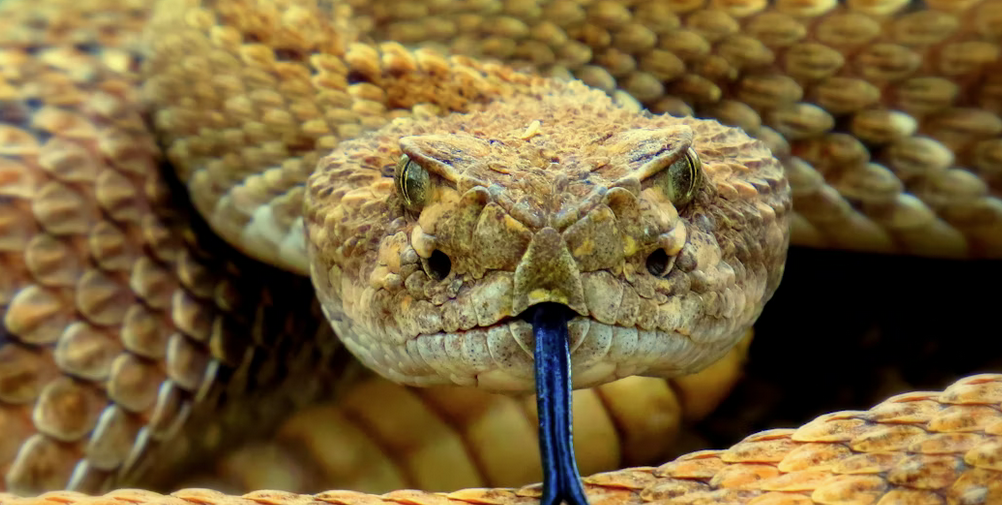
- The Timber Rattlesnake Primarily found in the mountainous western counties and parts of Southeast Virginia (where they are known as Canebrake Rattlesnakes). They are generally non-aggressive but will strike if stepped on.
- The Northern Cottonmouth (Water Moccasin) Limited mostly to the wetlands and waterways of Southeast Virginia. They are often confused with harmless water snakes but can be identified by their thick bodies and the white, "cotton-like" interior of their mouths when threatened.
4. Black Bear Emergence in the Piedmont
The Virginia Department of Wildlife Resources (DWR) issued a reminder on April 6, 2026, that black bears are now highly active. As they wake up hungry, they are increasingly wandering into suburban neighborhoods in search of easy calories.
- The Hazard: Most "attacks" are actually defensive maneuvers by bears that feel cornered in backyards.
- Prevention: The "Bear Wise" protocol is now in effect: take down bird feeders until December and secure all outdoor trash cans. A bear that finds food in your yard once will continue to return, creating a danger for your pets and family.
5. Spotted Lanternfly: The "Find It, Kill It" Phase
Although the state repealed its formal quarantine in 2025 to ease business travel, the insect is still a major threat to Virginia’s wineries.
- Current Status: Egg masses are hatching right now.
- What to Do: If you see small, black, tick-like insects with white spots on your plants, these are Spotted Lanternfly nymphs. Squish them on sight. Focus your efforts on the Tree of Heaven, their preferred host plant.
Summary Checklist for Virginia Residents
- Inspect Landscaping: Check boxwoods for webbing and "Tree of Heaven" for black nymphs.
- Tick Hygiene: Perform a full-body check every time you come inside from the yard.
- Pet Safety: Ensure your dogs are on a flea and tick preventative, as they can carry ticks into your home.
- Food Security: Lock up trash and remove bird seed to prevent bear encounters.
Share This Article on Social Media