NEW JERSEY - As of April 2026, New Jersey is undergoing a massive shift in how it manages environmental threats. With the signing of the New Jersey Invasive Species Management Act earlier this year, the state has officially declared war on the pests and plants that threaten the Garden State unique ecosystems.
From the rocky ridges of Sussex County to the suburban backyards of Cherry Hill, here are the wildlife alerts you need to know this month.
1. The "Statewide Ban" on Invasive Plants
On January 20, 2026, New Jersey enacted landmark legislation creating a permanent Invasive Species Council. While the law targets 31 initial species, several are of immediate concern for homeowners doing spring landscaping this April.
- The Targets: The Callery (Bradford) Pear, Norway Maple, and Japanese Barberry are now under strict regulation.
- The Danger: These species aren't just "weeds"—they aggressively displace the native plants that New Jersey's birds and pollinators rely on. The Japanese Barberry, specifically, is a magnet for ticks, as its dense foliage creates the humid microclimate ticks need to survive.
- Action Plan: If you were planning to plant these this spring, look for native alternatives like Serviceberry or Red Maple.
2. Spotted Lanternfly: The Egg-Scraping Deadline
The 2026 Spotted Lanternfly Summit held in March confirmed that while management tactics are improving, the threat to New Jersey's vineyards and hardwood forests remains high.
- Current Phase: We are in the final days of the egg mass stage. As temperatures rise toward May, these eggs will begin to hatch into tiny, black-and-white nymphs.
- Where to Look: Check smooth surfaces—brick walls, rusted metal, stone birdbaths, and the "Tree of Heaven" (Ailanthus altissima), which was also named as a primary target in the new 2026 Invasive Species Act.
- Action: Scrape any gray, mud-like masses into a container of rubbing alcohol before they hatch.
3. Black Bear Emergence: "Bear Aware" April
On March 31, 2026, the NJDEP issued a high-priority reminder as black bears leave their winter dens. While the Northwest (Morris, Sussex, Warren) remains the "bear capital," sightings have officially been recorded in all 21 counties this spring.
- The Conflict: Hungry bears have a sense of smell that covers over two miles. In April, natural food is scarce, so they are drawn to neighborhoods.
- The "Bear Plan": The DEP urges residents to take down bird feeders immediately. It is illegal in NJ to intentionally feed bears, and violators face fines of up to $1,000.
- Safety Tip: If you encounter a bear, do not run. Speak in an assertive voice, bang pots and pans, and back away slowly.
4. Venomous Snakes: The "Spring Search."
Snake activity in New Jersey peaks from April through October. As the sun warms the rocky ridges of the Highlands, our two medically significant venomous species are on the move.
The Northern Copperhead is the most commonly encountered venomous snake in Northwest NJ. They are masters of the "sit-and-wait" hunt, often blending perfectly into leaf litter or hiding near stone foundations of older homes.
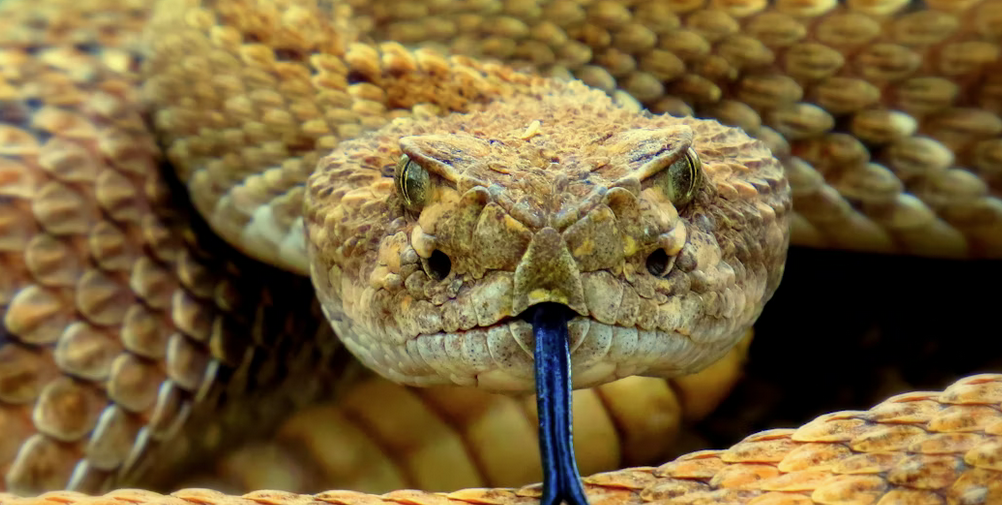
The Timber Rattlesnake is a state-endangered species. They are emerging from their "hibernacula" (winter dens) this month.
- Important: It is a violation of the Endangered and Nongame Species Conservation Act to kill or even harass a Timber Rattlesnake.
- Action: If you find one on your property, call the DEP Hotline at 1-877-WARN-DEP. They will dispatch a member of the Venomous Snake Response Team to safely relocate the animal.
5. The "Mild Winter" Tick Surge
Following a warmer-than-average winter in late 2025 and early 2026, New Jersey's tick population is expected to be exceptionally high this spring.
- The Alert: Deer ticks (Black-legged ticks) are already active. Nymphs, which are the size of a poppy seed and carry the highest risk of transmitting Lyme disease, are beginning to emerge in leaf litter.
- Tick Check: Always use a flashlight to scan your skin after being outdoors. In New Jersey, ticks are frequently found in the "edge" habitat where your lawn meets the woods.
Summary Checklist for New Jersey Residents
- Secure Your Trash: Put garbage cans out the morning of pickup, not the night before, to avoid attracting bears.
- Remove Bird Feeders: At least until the end of April, when more natural food sources become available for bears.
- Inspect for Egg Masses: Scrape SLF eggs off your outdoor gear and vehicles before traveling.
- Wear Shoes: Never walk barefoot through tall grass or near stone walls, as Copperheads are currently active and defensive.