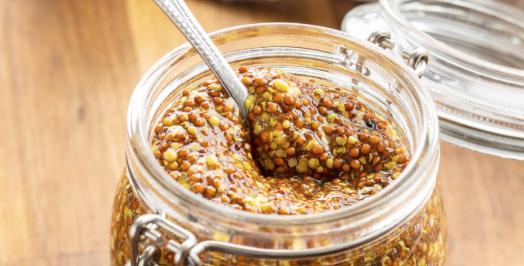
If you love Louisiana cooking, you know that a good dollop of spicy, grainy mustard is non-negotiable. Creole mustard is a staple of New Orleans cuisine, bringing a coarse texture and a sharp, horseradish-like kick that standard yellow mustard cannot match. It is the secret ingredient in everything from po'boys and glazes to the iconic dips of the bayou.
While you can buy it in a jar, making it at home allows you to control the heat, the tang, and the exact texture. The process is incredibly simple, requiring only a few ingredients and a little bit of patience while the flavors develop.
The Essential Ingredients
The backbone of true Creole mustard is brown mustard seed. Unlike yellow seeds, the brown variety packs a much stronger, spicier punch.
- The Seeds: 1/2 cup of brown mustard seeds (do not substitute with yellow seeds, or you will lose the signature heat).
- The Liquid: 1/2 cup of white wine vinegar (or apple cider vinegar for a fruitier tang) and 1/4 cup of water.
- The Spices: 1 teaspoon of celery seed, 1 teaspoon of garlic powder, 1/2 teaspoon of allspice, and a generous pinch of kosher salt.
- The Kick: 1 tablespoon of prepared horseradish and a dash of Louisiana hot sauce (like Crystal or Tabasco).
- The Sweetness: 1 teaspoon of honey or brown sugar to balance the acidity.
The Process
Putting Your Mustard to Work
Once your homemade Creole mustard has aged in the fridge, it will last several months and can instantly upgrade your seafood spreads.
It is the absolute foundational ingredient for crafting the ultimate spicy Cajun remoulade to serve alongside your fried shrimp or boiled crawfish. You can also mix a hearty spoonful of it into a butter dip to recreate the tangy, savory magic of a Crab Du Jour special sauce right in your own kitchen. Whether you slather it on a roast beef po'boy or whisk it into a vinaigrette, this homemade condiment brings true Louisiana flavor to every bite.