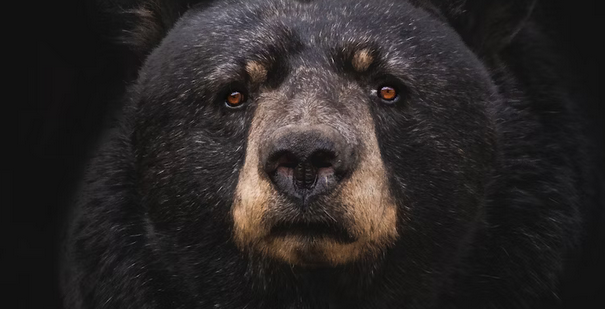
OHIO - Unlike its neighbors in Pennsylvania and West Virginia, Ohio is still in the early stages of a "bear comeback." Because black bears are a state-endangered species in Ohio, there is no hunting season, which means we track their population through confirmed sightings rather than harvest numbers.
 According to the Ohio Department of Natural Resources (ODNR), the State resident population is estimated at just 50 to 100 bears, though hundreds of sightings are reported annually as young males wander in from neighboring states.
The Bear Stronghold: Ashtabula County
If you are looking for the "bear capital" of Ohio, Ashtabula County is the clear winner. Located in the far northeast corner of the state, it serves as the primary gateway for bears moving across the border from Pennsylvania.
Ashtabula stands out because it isn't just seeing wandering males; it is one of the few places in Ohio with confirmed resident females (sows) with cubs. Since 2018, reproduction has been documented here annually, signaling that the county has a permanent, breeding population.
Regional Hotspots: Northeast and Southeast
The distribution of bears in Ohio is heavily weighted toward the eastern third of the state, where the foothills of the Appalachians provide the dense forest cover they require.
1. The Northeast "Corridor."
In addition to Ashtabula, Trumbull, Geauga, and Mahoning counties are high-activity zones. These counties benefit from "spillover" from Pennsylvania's massive bear population. In 2022, a record-breaking year for Ohio, the Northeast District accounted for a significant portion of the State 161 confirmed sightings.
2. The Southeast "Big Woods."
The rugged hills of Hocking, Vinton, and Athens counties are the other major hubs. This region offers some of the best habitat in the state, including the Wayne National Forest. Sightings here are frequent, particularly in early summer when young bears are searching for new territory.
Monitoring the Comeback
Because the population is so small and fragmented, the ODNR is currently engaged in a multi-year research project to understand Ohio's bears better:
-
GPS Collaring: Starting in 2024 and continuing through 2026, biologists have been fitting Ohio bears with GPS collars to track their movements and reproduction.
-
Expanding Range: While 80–90% of sightings occur in eastern Ohio, bears are being spotted further west than ever before. In 2025, Licking County recorded its first confirmed bear sighting in over 20 years.
Why Ohio's Numbers are Different
You might wonder why Ohio has 100 bears while Pennsylvania has 20,000. It comes down to home range fidelity:
-
Wandering Males: Most bears seen in Ohio are "tourists"—young males (1–3 years old) that can travel 100 miles or more looking for a mate.
-
The Female Factor: Female bears are much more cautious and tend to stay near where they were born. Until more females establish home ranges in Ohio, the population will remain small.
How to Help
If you see a bear in Ohio, the ODNR encourages you to report it through their Wildlife Reporting System. Clear photos or videos are the most helpful tools for biologists to confirm sightings and track the species' growth.
A Note on Safety: Black bears are naturally shy and generally avoid human contact. However, as they recolonize Ohio, "bear-proofing" your property—by securing trash and removing bird feeders in the spring—is the best way to ensure that Ohio's bears stay wild and safe.