What Was The Most Catastrophic Flood in West Virginia History?
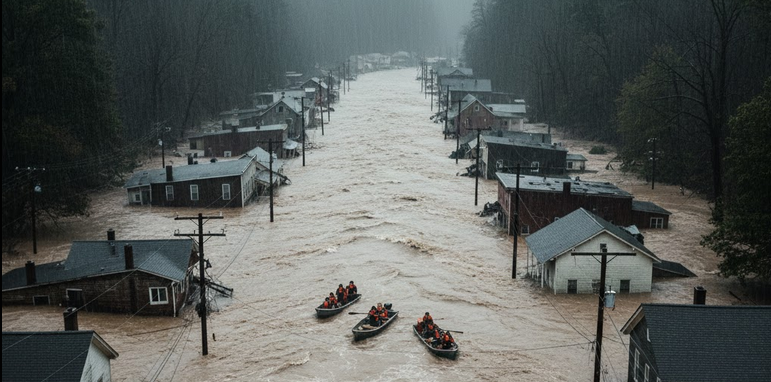
What Was The Most Catastrophic Flood in West Virginia History?

What Was The Most Catastrophic Flood in West Virginia History?

Travel
Typography
  • Smaller Small Medium Big Bigger
  • Default Helvetica Segoe Georgia Times

The Fury of the Waters: West Virginia's Most Catastrophic Flood  West Virginia, a state defined by its rugged mountains and the winding rivers that cut through them, has an intimate and often tragic relationship with floods. The steep terrain and narrow valleys mean that heavy rainfall can quickly turn small streams into raging torrents, leading to devastating flash floods. Among the many floods that have scarred the state, one stands out for its unprecedented destruction, its profound impact on a major industry, and the sheer scale of the natural disaster: The 1985 Election Day Flood.  The 1985 Election Day Flood: A Widespread Catastrophe  While West Virginia has seen numerous localized flash floods, the 1985 Election Day Flood was a regional catastrophe of immense proportions, affecting 29 of the state's 55 counties and impacting nearly every major river basin.      The Cause: From November 3 to November 5, 1985, a massive, slow-moving storm system stalled over the Mid-Atlantic states. It drew immense moisture from the Atlantic, resulting in record-breaking rainfall. Many areas of West Virginia received 6 to 12 inches of rain in less than 36 hours, with some localized reports exceeding 15 inches. This torrential rainfall fell onto already saturated ground.      The Cataclysm: The storm caused nearly every major river in the state—including the Cheat, Tygart, Monongahela, Potomac, Greenbrier, and James (which flows into Virginia)—to crest at historic levels. The New River Gorge saw an unprecedented 15.5 inches of rain. The floodwaters surged through narrow valleys, destroying communities that had never flooded before and setting new record high water marks on nearly every stream and river.      The Devastation:          Rapid Rise: Many rivers rose incredibly quickly, some as much as 10 to 20 feet in a matter of hours, giving residents little to no time to evacuate.          Widespread Destruction: Roads, bridges, homes, and businesses were simply swept away by the raging currents. Entire towns in eastern West Virginia, particularly in the Potomac Highlands (like Petersburg, Moorefield, and Franklin), were submerged or completely obliterated.          Agricultural Impact: The flood devastated the state's agricultural industry, particularly in the fertile river valleys of the Eastern Panhandle, where crops and livestock were lost.  Unparalleled Loss and a Resilient Spirit  The 1985 Election Day Flood left an enduring mark on West Virginia, both in terms of physical devastation and the spirit of its people.      Fatalities: Tragically, 47 people lost their lives in West Virginia during the flood, making it one of the deadliest natural disasters in the state's history.      Property Damage: The estimated damage was staggering, totaling over $500 million (in 1985 dollars), which would be billions today. Over 5,000 homes were destroyed or severely damaged, and 2,000 businesses were impacted. Hundreds of miles of roads and dozens of bridges were wiped out.      Long-Term Impact: The flood had a profound, long-term impact on the state's economy, especially in the hardest-hit agricultural and timber regions. Recovery efforts lasted for years.      Community Response: Despite the immense loss, the disaster showcased the incredible resilience and community spirit of West Virginians, with neighbors helping neighbors in the arduous recovery efforts. Federal and state aid poured in, but local initiatives were crucial.  The 1985 Election Day Flood remains West Virginia's most catastrophic flood due to its widespread nature, the number of lives lost, and the immense, enduring damage it inflicted across nearly half the state. It stands as a stark reminder of the raw power of nature in the Mountain State.WEST VIRGINIA - West Virginia, a state defined by its rugged mountains and the winding rivers that cut through them, has an intimate and often tragic relationship with floods. The steep terrain and narrow valleys mean that heavy rainfall can quickly turn small streams into raging torrents, leading to devastating flash floods. Among the many floods that have scarred the state, one stands out for its unprecedented destruction, its profound impact on a major industry, and the sheer scale of the natural disaster: The 1985 Election Day Flood.


The 1985 Election Day Flood: A Widespread Catastrophe

While West Virginia has seen numerous localized flash floods, the 1985 Election Day Flood was a regional catastrophe of immense proportions, affecting 29 of the state's 55 counties and impacting nearly every major river basin.

  • The Cause: From November 3 to November 5, 1985, a massive, slow-moving storm system stalled over the Mid-Atlantic states. It drew immense moisture from the Atlantic, resulting in record-breaking rainfall. Many areas of West Virginia received 6 to 12 inches of rain in less than 36 hours, with some localized reports exceeding 15 inches. This torrential rainfall fell onto already saturated ground.


  • The Cataclysm: The storm caused nearly every major river in the state—including the Cheat, Tygart, Monongahela, Potomac, Greenbrier, and James (which flows into Virginia)—to crest at historic levels. The New River Gorge saw an unprecedented 15.5 inches of rain. The floodwaters surged through narrow valleys, destroying communities that had never flooded before and setting new record high water marks on nearly every stream and river.

  • The Devastation:


    • Rapid Rise: Many rivers rose incredibly quickly, some as much as 10 to 20 feet in a matter of hours, giving residents little to no time to evacuate.

    • Widespread Destruction: Roads, bridges, homes, and businesses were simply swept away by the raging currents. Entire towns in eastern West Virginia, particularly in the Potomac Highlands (like Petersburg, Moorefield, and Franklin), were submerged or completely obliterated.


    • Agricultural Impact: The flood devastated the state's agricultural industry, particularly in the fertile river valleys of the Eastern Panhandle, where crops and livestock were lost.

Unparalleled Loss and a Resilient Spirit

The 1985 Election Day Flood left an enduring mark on West Virginia, both in terms of physical devastation and the spirit of its people.

  • Fatalities: Tragically, 47 people lost their lives in West Virginia during the flood, making it one of the deadliest natural disasters in the state's history.

  • Property Damage: The estimated damage was staggering, totaling over $500 million (in 1985 dollars), which would be billions today. Over 5,000 homes were destroyed or severely damaged, and 2,000 businesses were impacted. Hundreds of miles of roads and dozens of bridges were wiped out.

  • Long-Term Impact: The flood had a profound, long-term impact on the state's economy, especially in the hardest-hit agricultural and timber regions. Recovery efforts lasted for years.

  • Community Response: Despite the immense loss, the disaster showcased the incredible resilience and community spirit of West Virginians, with neighbors helping neighbors in the arduous recovery efforts. Federal and state aid poured in, but local initiatives were crucial.

West Virginia State FlagThe 1985 Election Day Flood remains West Virginia's most catastrophic flood due to its widespread nature, the number of lives lost, and the immense, enduring damage it inflicted across nearly half the state. It stands as a stark reminder of the raw power of nature in the Mountain State.

Latest Posts

Sign up via our free email subscription service to receive notifications when new information is available.

Sponsered Ads


Follow PhillyBite:

Follow Our Socials Below