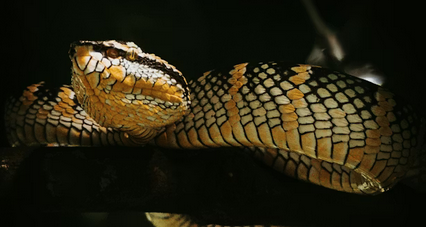
PENNSYLVANIA - Pennsylvania is home to 21 species of snakes, but only three of them pack a venomous punch. While the thought of a run-in might make your skin crawl, these creatures are generally shy, non-aggressive, and would much rather hide in the leaves than have a showdown with a human.
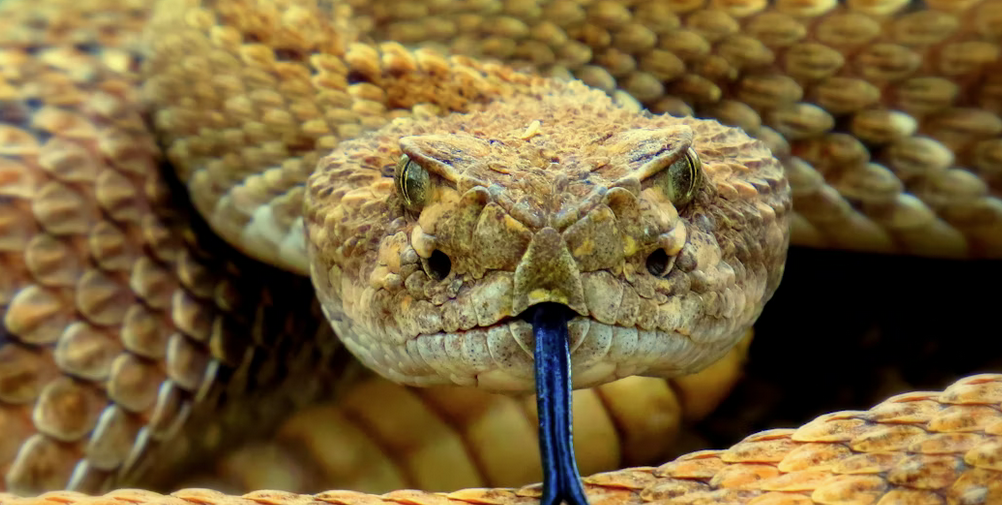 Before we dive in, let’s clear up a common mix-up: snakes aren’t actually poisonous—they are venomous. In biology, "poisonous" means something is harmful if you eat or touch it. "Venomous" means the toxin is injected into you, usually through a bite.
Here are the three "pit vipers" you should know if you're hitting the trails this season.
1. The Northern Copperhead
The Copperhead is the most common venomous snake in Pennsylvania. It gets its name from its unmarked, copper-colored head.
- How to Spot It: Look for a distinct hourglass pattern along its body. The bands are wide on the sides and narrow across the back.
- Where It Hangs Out: They love rocky hillsides, old wood piles, and sawdust at abandoned sawmills. They are masters of camouflage and blend perfectly into fallen leaves.
- The Bite: While their venom is considered the least potent of the three, they are responsible for many reported bites because they tend to "stand their ground" and freeze when approached, leading to accidental steps by hikers.
2. The Timber Rattlesnake
The "King" of Pennsylvania snakes, the Timber Rattlesnake is the largest venomous species in the state, sometimes reaching lengths of up to five feet.
- How to Spot It: They come in two color phases: "yellow" (sulfur-yellow with black crossbands) and "black" (heavily speckled with dark pigments). Their most famous feature is the rattle at the end of a solid black tail.
- Where It Hangs Out: They prefer rugged, mountainous terrain and remote forests. They often bask on south-facing rocky ledges during the summer months.
- The Bite: This is the most dangerous snake in the state due to its size and high venom yield. However, it is famously "mild-mannered" and will usually rattle a loud warning long before it strikes.
3. The Eastern Massasauga
The "Swamp Rattler" is the rarest and smallest of the three. It is currently listed as an endangered species in Pennsylvania and is found in only a few western counties.
- How to Spot It: It’s a small, stocky snake—usually under two feet—with dark, rounded blotches down its back. It has a small rattle that sounds more like a buzzing insect than a traditional rattlesnake.
- Where It Hangs Out: Unlike its mountain-loving cousins, the Massasauga prefers wet prairies, marshes, and boggy areas.
- The Bite: While its venom is technically quite toxic, it is a very secretive and elusive snake. Bites to humans are extremely rare in the wild.
Stay Safe on the Trail
If you encounter a snake in Pennsylvania, the best advice is a simple one: Give it space. * Watch Your Step: Avoid reaching into rocky crevices or under logs where you cannot see clearly.
- Dress the Part: If you’re hiking in known snake territory, long pants and sturdy boots are your best friends.
- Don't Play Hero: Most bites occur when people try to catch, kill, or handle the snake. If you leave them alone, they will almost always return the favor.