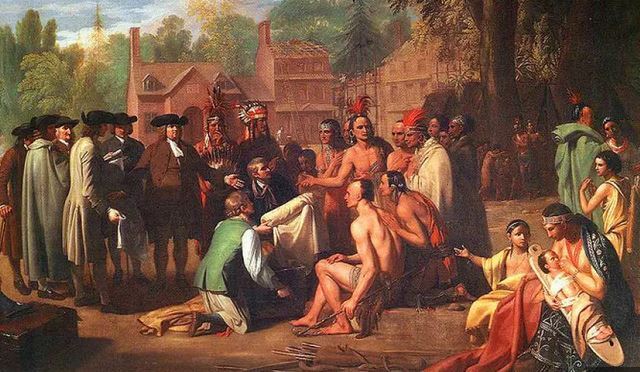
NEW JERSEY - While New Jersey is the most densely populated state today, it was once a land of vast forests, marshes, and shores inhabited by a singular, deeply influential nation: the Lenni-Lenape. Unlike other states with many disparate tribes, New Jersey was the heart of "Lenapehoking," the ancestral homeland of the Lenape people.
The Lenni-Lenape: The "Original People"
The name Lenni-Lenape translates to "Original People" or "Real People." In the indigenous world of the Northeast, they were often referred to as the "Grandfathers," a title of great respect signifying their ancient roots and their role as peacemakers among other tribes.
They were divided into three main geographical groups, identified by their distinct dialects:
- The Munsee (Wolf Clan): Occupied the northern highlands and the area around the Delaware Water Gap.
- The Unami (Turtle Clan): Inhabited the central part of the state and the Raritan Valley.
- The Unalachtigo (Turkey Clan): Lived in the southern region and along the Delaware Bay.
Life Between the River and the Sea
The Lenape lifestyle was dictated by the seasons and New Jersey’s unique geography. They moved between permanent inland villages and temporary coastal camps.
- Agriculture and Foraging. Like many neighboring cultures, they planted the "Three Sisters" (corn, beans, and squash). However, they were also expert foragers. In the spring, they harvested maple sap for sugar; in the summer, they gathered berries from the Pine Barrens; and in the fall, they collected nuts and hunted deer.
- The Bounty of the Shore: New Jersey's coastline was a vital resource. The Lenape traveled to the Jersey Shore to harvest oysters, clams, and crabs. They dried the seafood to preserve it for winter. The discarded shells often formed massive "middens" or heaps, some of which are still studied by archaeologists today to understand ancient diets.
- Wampum and Trade: Quahog shells found on New Jersey beaches were used to create Wampum—purple and white beads that served as a powerful medium for storytelling, treaty-making, and trade. Because they controlled the source of the shells, the Lenape were central players in the regional economy.
The Arrival of Europeans and the Walking Purchase
The 1600s saw the arrival of Dutch, Swedish, and eventually English settlers. Unlike many other colonies, the early relationship in New Jersey was defined by Quaker influence, which initially emphasized fair land purchases.
However, as demand for land increased, the Lenape were displaced. The most infamous event was the Walking Purchase of 1737 in the neighboring Delaware Valley, in which a fraudulent land deal stripped the Lenape of vast tracts of their territory, forcing many to begin a long westward migration.
The Brotherton Reservation
In 1758, New Jersey established the Brotherton Reservation in what is now Indian Mills (Shamong Township). This was the first state-funded Indian reservation in the United States. It was intended to serve as a permanent home for the remaining Lenape in the state, but due to economic pressures and dwindling resources, most residents eventually migrated to New York or westward to join relatives in the 1800s.
Modern Presence and Recognition
The Lenape were never truly "erased" from New Jersey. Today, their descendants continue to live in the state and maintain their cultural heritage. New Jersey officially recognizes three tribes:
- The Nanticoke Lenni-Lenape Tribal Nation, based in Bridgeton (Cumberland County), is the largest constituent of the remaining Lenape people in the state.
- The Ramapough Lenape Nation: Located in the mountains of North Jersey and New York.
- The Powhatan Renape Nation: Based in Rankokus Indian Reservation in Burlington County.
A Linguistic Landscape: New Jersey’s map is a Lenape dictionary. Names like Hoboken (tobacco pipe), Hackensack (mouth of a river), Passaic (valley), and Kittatinny (big mountain) serve as a daily reminder of the state’s first inhabitants.