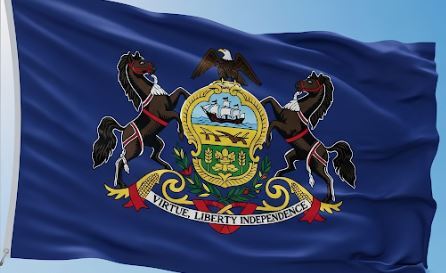
PENNSYLVANIA - Pennsylvania’s history is deeply intertwined with the stories of the powerful Indigenous nations that controlled the Delaware, Susquehanna, and Ohio River valleys. Unlike many neighboring states, Pennsylvania currently has no state or federally recognized tribes living within its borders, a direct result of centuries of forced removal and the infamous "Walking Purchase" of 1737.
Keystone Ancestry: The First Nations of Pennsylvania
However, the legacy of the "First Peoples" remains in the names of our rivers, counties, and the vibrant descendant communities that still call the region home.
1. The Lenape (Lenni-Lenape)
Known as the "Grandfathers" of the Algonquian-speaking peoples, the Lenape were the original inhabitants of eastern Pennsylvania and the Philadelphia region.
- The Ancestral Home: They called their land Lenapehoking. In the 1680s, the Lenape famously negotiated with William Penn, fostering a period of peace that was later betrayed by Penn's sons through fraudulent land deals.
- Legacy: The Lenape were divided into three sub-tribes based on dialect and location: the Munsee (North), the Unami (Central/Philadelphia), and the Unalachtigo (South). Today, the federally recognized Delaware Nation and Delaware Tribe are based in Oklahoma, though many Lenape descendants still live in the Delaware Valley.
2. The Susquehannock
The Susquehannock were an Iroquoian-speaking people who dominated the Susquehanna River Valley. They were known to early explorers as imposing warriors and highly skilled traders.
- The "Muddy River" People: At their peak in the mid-1600s, they managed a vast trading empire that stretched from New York to the Chesapeake Bay.
- A Tragic End: Devastated by European diseases and a long-standing war with the Haudenosaunee (Iroquois) Confederacy, the Susquehannock population dwindled. The last remaining group, known as the Conestoga, was tragically massacred by a vigilante group called the "Paxton Boys" in 1763.
3. The Haudenosaunee (Iroquois Confederacy)
While their primary seats of power were in New York, the nations of the Haudenosaunee—specifically the Seneca, Cayuga, and Oneida—exerted massive influence over northern and western Pennsylvania.
- Political Power: By the late 1600s, the Confederacy had conquered or absorbed many smaller tribes in the region, effectively controlling the fur trade across the Allegheny and Susquehanna plateaus.
- The Cornplanter Tract: The Seneca leader Cornplanter was granted a permanent tract of land in Warren County, PA, in 1791. It remained the only "reservation" in the state until it was flooded by the construction of the Kinzua Dam in the 1960s.
4. The Shawnee
Known as the "Greatest Travelers in America," the Shawnee were a semi-nomadic nation that moved through Pennsylvania as they sought to maintain their independence from colonial expansion.
-
Western Migration: The Shawnee established major settlements in the Wyoming and Ohio River valleys. They were key allies of the French during the French and Indian War, fighting fiercely to protect their hunting grounds in what is now western Pennsylvania.
5. The Erie (Erielhonan)
Living along the southern shores of Lake Erie in the northwestern corner of the state, the Erie were a mysterious and powerful nation.
-
The "Cat Nation": Their name, Erielhonan, translates to "Long Tail," likely referring to the eastern cougar. The Erie were almost entirely decimated or assimilated by the Iroquois during the "Beaver Wars" of the 1650s, leaving behind little recorded language but significant archaeological sites.
Preserving the Circle
 Though the sovereign tribal governments are now located in Oklahoma, Wisconsin, and Canada, the Indigenous presence in Pennsylvania is not just a thing of the past. Organizations like the Museum of Indian Culture in Allentown and the Circle of Legacy work to honor these ancestors.