
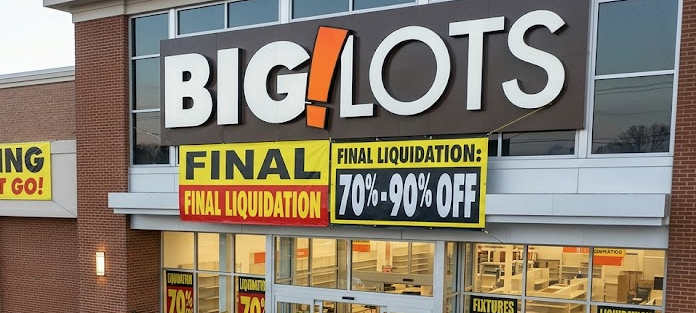
OHIO STATE — In what marks the most significant blow to Ohio's retail sector this year, Columbus-headquartered Big Lots is officially entering its final weeks of operation. After decades of serving as a staple of the discount market, the once-mighty chain is completing a total wind-down of its North American footprint following a series of failed restructuring attempts.
The End of an Era
The writing has been on the wall since late 2024, when an anticipated asset sale to Nexus Capital Management unexpectedly collapsed during Chapter 11 bankruptcy proceedings. That collapse forced the company into an eventual Chapter 7 liquidation, sealing the fate of its remaining physical footprint. Now, as the calendar turns toward the summer of 2026, the harsh reality of those financial struggles is playing out in the half-empty aisles of its final surviving stores.
For a brand born and bred in the Buckeye State—originally founded by Sol Shenk in 1967 as Consolidated Stores before fully adopting the Big Lots closeout identity—this exit feels particularly poignant. What began as a regional hub for automotive parts, overstock deals, and affordable home goods is ending in a cascade of neon liquidation signs.
Liquidation Peaks as Closure Dates Loom
Right now, final "total liquidation" sales are reaching their absolute peak. Shoppers are sifting through the last remnants of heavily discounted inventory, from patio furniture to pantry staples and seasonal décor. According to the company's final wind-down schedule, all remaining storefronts are expected to be completely vacant by mid-June 2026.
This wave of closures leaves a massive real estate vacuum, impacting nearly every major county in Ohio. Some of the most notable high-traffic sites preparing to go dark include:
- Columbus: The hometown impact is heavy, with historic anchor locations on Hamilton Road and West Broad Street permanently shutting their doors.
- Cincinnati: Major retail corridors are losing their dependable discount anchors, most notably in West Chester and Western Hills.
- Toledo and Dayton: Regional centers in both metro areas are bracing for the sudden loss of large-scale commercial tenants, creating significant challenges for local strip mall and plaza operators looking to fill the void.
A Shifting Retail Landscape
The loss of Big Lots isn't just about empty square footage; it represents a fundamental shift in brick-and-mortar retail. The company ultimately struggled to bridge the gap between shifting consumer habits, heavily leveraged real estate, and the unforgiving economic pressures of the last few years.
As Ohioans make their final trips to clear out the remaining shelves, they are bidding farewell to more than just a store. They are closing the book on a defining chapter of Ohio's retail history—one that, for over half a century, promised shoppers a way to "Live BIG and Save LOTS." By mid-June, those bargains—and the local stores that housed them—will be gone for good.