
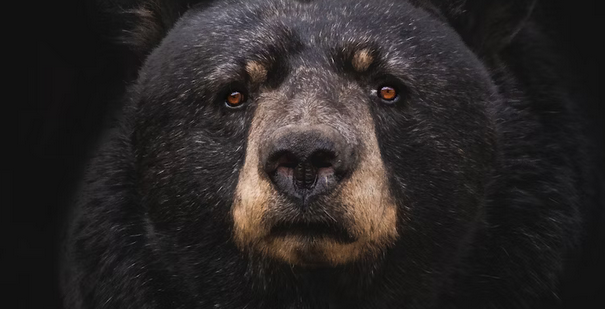
WEST VIRGINIA – West Virginia’s official state animal is having a "moment," and as we enter the spring of 2026, that moment is getting bigger, heavier, and closer to home. Once a rare sight confined to the deepest Appalachian hollows, the West Virginia black bear has staged one of the most successful wildlife comebacks in history, with a population now estimated at over 13,000 animals roaming every single one of the state's 55 counties.
But it isn't just the sheer number of bears that has residents on high alert—it's where they are showing up and just how large they are getting.
Appalachian Heavyweights: The Rise of the 600-Pounder
While Pennsylvania usually grabs the headlines for "monster" bears, West Virginia is proving it can grow its own heavyweights. Wildlife officials recently released preliminary figures showing that the 2025 harvest was nearly identical to the previous year, with 2,469 bears taken.
However, the "Boone County Bruisers" and "Kanawha Kings" are reaching sizes that rival small livestock. While a typical male bear weighs 200 to 300 pounds, West Virginia's rich "mast" (acorns and berries) and the easy access to suburban calories have pushed many specimens past the 500 and 600-pound marks. Top "Bear Country" Counties for 2026:
- Boone County (Current heavyweight leader for firearms harvest)
- Kanawha County (Highest density near urban centers)
- Randolph County
- Webster County
- Pocahontas County
Recent Encounters: From College Campuses to Main Street
The "Black Bear Boom" of 2025 and 2026 has led to some startling headlines as bears move out of the mountains and into the neighborhoods:
-
The WVU "Prankster": In June 2025, West Virginia University issued an emergency community notice after a black bear was spotted wandering near the PRT Central Maintenance Facility in Morgantown. Students were warned to leave the earbuds at home and stay alert while jogging.
-
Downtown Berkeley Springs: Residents in Morgan County were treated to a "social media event" when a confused young male bear spent an afternoon wandering through downtown Berkeley Springs. Officials noted the bear wasn't aggressive but was clearly overwhelmed by the "paparazzi" of locals trying to take selfies.
-
The US 50 Incident: In May 2025, a massive bear was struck and killed by a vehicle on US 50 near Parkersburg. Wildlife experts used the incident to warn drivers that peak activity—driven by "teenage" bears looking for their own territory—is at an all-time high in late spring.
2026 Regulatory Reset: The DNR's New Plan
As of March 2026, the West Virginia Division of Natural Resources (WVDNR) is launching a series of open-house public meetings across its six districts. The goal? To modernize the state’s "liberal" hunting seasons to better manage the surging population in southern and central counties.
Currently, West Virginia allows a bag limit of two bears per season (provided one is from a specific southern county), a policy designed to reduce human-bear conflicts in residential areas. New proposals for the 2026–27 season may include further expansions of the "concurrent" deer and bear firearms seasons.
Living With "Mountain State Monsters"
With bears emerging from their winter dens this March, the WVDNR is urging everyone to help "keep the state animal wild."
- Clean the Grill: A greasy BBQ grill is a dinner bell for a 400-pound bear.
- Bird Feeder Ban: If you have bear activity in your county, pull the bird feeders in by April.
- Trash Lock-Down: Use bear-resistant bins or don't put trash out until the morning of pickup.
The black bear is a symbol of West Virginia’s wild beauty and resilience. But as they grow larger and more comfortable in suburban settings, the line between "state animal" and "backyard neighbor" has never been thinner.